North Charleston Locksmiths Service Team
Local locksmith team
Oct 16, 2026 12 min read
If you own a home near the historic stretches of Meeting Street extension, the older bungalows off Rivers Avenue, or one of the craftsman-style houses tucked into Park Circle, you already know that the doors on these properties are built differently. The hardware pre-dates modern big-box standards, the door frames are thick and solid, and a standard replacement lock from the hardware store sometimes just does not fit. Two lock types come up constantly when North Charleston homeowners ask us what to use: the mortise lock and the deadbolt. Both can secure a heavy entry door, but they are built on different principles, suit different situations, and carry different long-term costs — and choosing the wrong one for your door can leave you with a security gap or an installation headache.
This guide walks through exactly how each lock type works, where each one belongs on an older or historic North Charleston home, and what to realistically expect when you call a professional locksmith to handle the job. We work on both types every week across this area, so the advice here is drawn from real doors and real installations — not catalog descriptions.
## What Is a Mortise Lock and Why Do Older Doors Have Them?
A mortise lock is a lock mechanism that sits inside a deep rectangular pocket — the mortise — cut into the edge of the door itself. Because the lock body is recessed into the door rather than mounted on its face, a mortise lock set gives you a single, solid unit that typically combines a latch bolt, a dead bolt, and sometimes a night latch all in one case. The trim you see on either side of the door — the handles, the roses, the escutcheon plate — is essentially the decorative shell over that buried mechanism. Classic brands like Corbin Russwin and Baldwin built mortise lock hardware that still appears regularly on pre-1970s homes and commercial buildings throughout the Lowcountry, and many of those units are still functioning after fifty or sixty years of use. That durability is the first thing to understand: a quality mortise lock set, properly maintained, outlasts the door frame around it.
The tradeoff is complexity. Installing or replacing a mortise lock cylinder requires precision. The pocket in the door has to be exactly the right size, the cylinder has to be the correct cam length for the lock case, and the strike plate on the frame has to align perfectly or the bolt will not throw cleanly. On older North Charleston homes where wood has expanded, settled, or been painted over multiple times, that alignment work takes skill and time. If you have a door that already has a mortise pocket cut into it, maintaining a mortise lock set exterior door setup is almost always the smarter move than trying to retrofit a deadbolt — you would be filling a large void in the door edge and potentially weakening the door's structural integrity in the process.
## Deadbolts: The Modern Default and When They Make Sense
A deadbolt is a single-purpose, surface-mounted lock: a hardened steel bolt throws into the door frame when you turn the thumb-turn or key, with no spring mechanism involved. Deadbolts are straightforward to install, easy to rekey, and widely available in smart lock configurations that allow keypad entry, remote access, or smartphone integration. For newer construction or doors that were never routed for a mortise pocket, a deadbolt is the practical, cost-effective choice. A smart mortise lock is a newer category that combines the buried-body elegance of a traditional mortise lock with electronic access features, but availability and compatibility with older door preparations vary widely — ask your locksmith whether your specific door prep supports one before committing.
Where deadbolts fall short on older North Charleston homes is reach and fit. The standard deadbolt prep is a 2-1/8-inch diameter bore hole through the face of the door and a smaller crossbore through the edge. If your door is an older panel door with a narrow stile — the vertical section where the lock goes — there may not be enough wood to safely accommodate that bore without cracking the stile. Additionally, a deadbolt provides one point of resistance, while a full mortise lock set handles the latch and dead-locking in a single reinforced unit distributed across a larger portion of the door edge. On a heavy, solid-wood exterior door, that distributed load matters.
## Matching the Lock to the Door: A Practical Checklist for North Charleston Homeowners
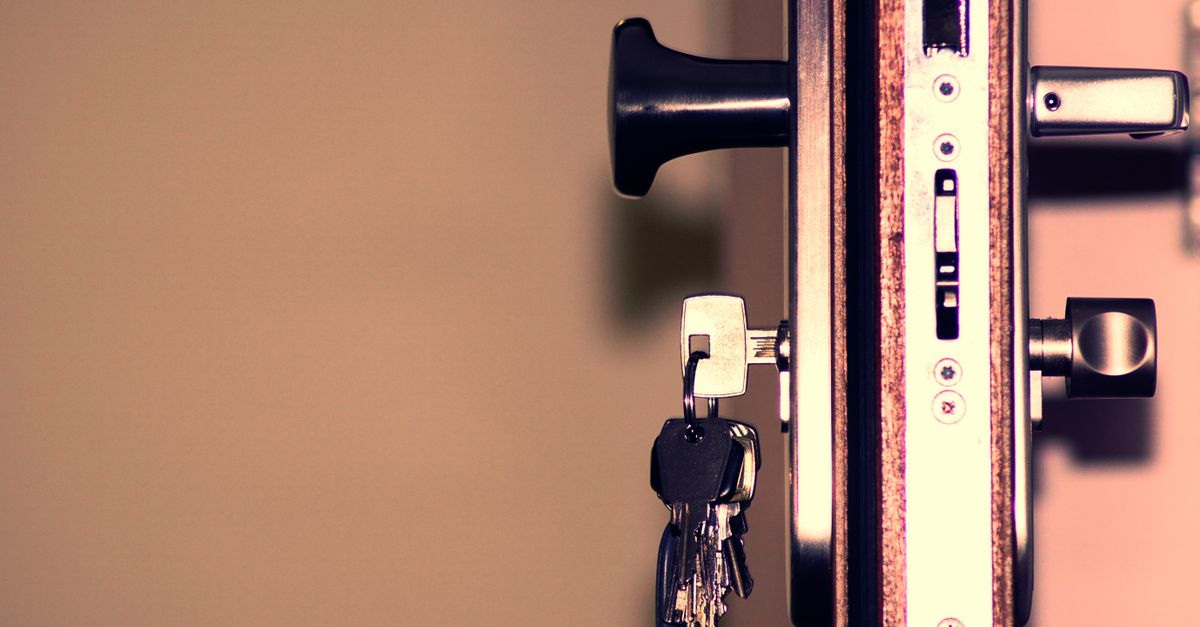
Before calling a locksmith, walk up to your front door and look at the edge. If you see a large, flat faceplate — usually brass or steel, roughly 7 to 8 inches tall — with multiple bolt openings, you almost certainly have an existing mortise lock case inside that door. That faceplate is the front cover of the buried mechanism. If you see only a small latch faceplate and a separate deadbolt faceplate a few inches above or below it, you have a standard cylindrical lock and deadbolt setup. This matters because replacing like-for-like is nearly always simpler, faster, and less disruptive to the door.
Here is a quick field checklist worth running through before you make any hardware decisions. First, measure the door thickness — older Lowcountry doors are often 1-3/4 inches or thicker, which affects which lock cases fit. Second, check whether the door swings in or out, because an outswing door has different security considerations for exposed hinges and bolt direction. Third, note whether the door knob lock and the deadbolt are currently separate pieces or unified — that tells you whether you have a cylindrical setup or a mortise setup. Fourth, if you are considering a smart mortise lock upgrade, confirm your door edge has the correct mortise pocket dimensions before purchasing any hardware, because the cases are not universally sized. A trained locksmith can take these measurements in minutes and save you from buying incompatible hardware.
## What a Professional Locksmith Actually Does During a Mortise Lock Service
People often wonder: what does a locksmith do beyond cutting keys? When it comes to mortise lock work, the job is genuinely technical. On a service call for a mortise lock cylinder replacement, a skilled locksmith will remove the existing cylinder, inspect the cam and tailpiece for wear, check the lock case internals for broken springs or worn levers, fit the new cylinder to the correct depth so the cam engages cleanly, and verify that the bolt throw aligns with the strike box in the frame. On older Corbin Russwin or Baldwin mortise lock hardware, sourcing the correct replacement cylinder profile is itself a specialized task — these are not off-the-shelf items at a home improvement store. An experienced locksmith will carry or be able to source the correct parts rather than pushing you toward a full lock replacement you may not need.
A locksmith's scope of work also extends to what many homeowners overlook: the strike plate and frame reinforcement. The most robust mortise lock set is only as strong as the wood it bolts into, and in older homes that frame wood may be soft, split, or held together by decades of paint. A thorough locksmith will assess the frame and recommend reinforcement if the strike pocket is loose. The same applies to door knob lock hardware — worn or loose knob locks on a secondary entrance are frequently the easier point of entry compared to the primary deadbolt, and addressing both in the same visit is standard professional practice. If you need service now and are not sure what you have, call us at (704) 850-6756 and we can walk through the question with you before we even arrive.
This is also worth knowing for commercial properties along properties near the North Charleston Coliseum corridor or older retail buildings on Dorchester Road: commercial locksmith work for mortise hardware follows the same principles but often involves more complex master key systems, higher-grade lock cases, and compliance with access control requirements. A locksmith experienced in commercial mortise work understands how to key a building so that individual tenants have different keys but a master key covers the whole property — a setup that is built into the mortise lock case design from the ground up.
## Choosing a Reputable Locksmith and Understanding Your Quote
One of the most common questions we hear is some version of: how do I choose a reputable locksmith, and how do I know I am not being overcharged? The honest answer involves a few specific things to check. First, ask whether the locksmith will give you a confirmed price before any work begins. A trustworthy locksmith quotes the job after assessing what is needed — lock type, door condition, time of day, parts required, and travel distance from the shop — and commits to that number before touching anything. Second, ask whether the person who shows up is the person you will deal with throughout the job, or whether a dispatcher will quote one price and a subcontractor will arrive and renegotiate. Third, look for a locksmith who carries professional liability insurance — it protects you if anything goes wrong during the service.
We are insured, mobile, and available around the clock across North Charleston. Our team handles mortise lock sets, deadbolts, smart mortise lock upgrades, rekeys, and emergency lockouts — whether that is a homeowner who has lost the only key to a vintage Baldwin mortise lock or a property manager who needs the locks changed on a newly vacated unit off Ashley Phosphate Road. The factors that shape your final quote are transparent: the type and brand of lock involved, whether parts need to be sourced specially, the time of the service call, and how far we are traveling. We confirm the exact price up-front, every time, before work starts. To reach us directly at any hour, call (704) 850-6756 — we answer 24/7 and can often give you a reliable estimate over the phone once you describe what you have.
## Our Locksmith Services in North Charleston
Our mobile locksmith team handles a wide range of residential, commercial, and automotive needs across the North Charleston area. Here is a specific breakdown of what we do: residential door lockouts, commercial building lockouts, car lockouts, mortise lock installation, mortise lock cylinder replacement and rekeying, deadbolt installation and upgrade, smart lock installation and programming, door knob lock repair and replacement, master key system design and installation, high-security lock upgrades, lock rekeying after a move or tenant change, broken key extraction from locks, lock repair for damaged or malfunctioning hardware, strike plate reinforcement and door frame repair, safe lockouts and safe combination changes, mailbox lock replacement, sliding door lock and security bar installation, padlock replacement and hasp installation, ignition lock cylinder service, car key cutting and programming, transponder key and key fob programming, push-to-start proximity key replacement, duplicate key cutting for residential and commercial properties, access control system consultation, and after-hours emergency locksmith response for both homes and businesses. Whether you are dealing with a century-old Baldwin mortise lock set on a Park Circle porch door or a modern smart lock that stopped responding, we carry the tools and knowledge to handle it on the spot.
Frequently asked questions
What is a mortise lock and how is it different from a regular deadbolt?+
A mortise lock is a lock mechanism that is set into a deep pocket — called a mortise — cut into the edge of the door, so the entire lock case is buried inside the door itself. This gives it a flush, integrated look and distributes the locking force across a larger section of the door edge. A standard deadbolt, by contrast, is mounted through two bore holes in the face and edge of the door and provides a single bolt throw. Mortise locks are common on older and historic homes because they were the standard before cylindrical lock technology became dominant. They are generally more durable and offer more features in a single unit, but they require more skill to install or replace correctly.
Can I trust a locksmith who shows up without a physical storefront?+
Yes — mobile locksmiths are a legitimate and practical format, especially for 24/7 service in an area like North Charleston where emergencies happen at all hours. The key things to verify are whether the locksmith is insured, whether they give you a confirmed price before starting work, and whether they are transparent about what the job involves. A trustworthy locksmith will never pressure you, will explain what they found and what they recommend, and will not change the quoted price once work begins. Checking that the vehicle is marked and that the technician can clearly explain the work they are doing are also reasonable steps. Our team is insured, mobile, and quotes every job up front so there are no surprises.
How does a locksmith open a locked door without damaging it?+
For a legitimate lockout — meaning you are the verified owner or resident — a skilled locksmith uses non-destructive methods first. For cylindrical locks, this typically involves picking or shimming the lock using professional tools designed to manipulate the internal pins without scratching or forcing the hardware. For a mortise lock, the approach varies depending on the specific cylinder and whether the lock case has additional features like a deadlocking latch. In some cases the cylinder can be manipulated directly; in others the locksmith may use a technique specific to the lock brand. The goal is always to open the door cleanly so the lock can be relocked or rekeyed immediately after. Forced entry is only used as a last resort when the lock or door is already damaged and non-destructive methods are not viable.
Who do I call if I get my keys locked in my car?+
Call a mobile locksmith — that is exactly the situation we handle every day across North Charleston. Do not attempt to use a coat hanger or similar improvised tool on a modern car door, as the weather stripping and electronic components inside modern doors are easy to damage and repairs can be costly. A trained automotive locksmith uses professional entry tools designed for specific vehicle makes and models to open the door without damage. Once we confirm you are the vehicle owner — which we do before opening any vehicle — we can typically have you back inside the car quickly. We respond to car lockouts throughout North Charleston around the clock, so call (704) 850-6756 any time and we will get someone to you.